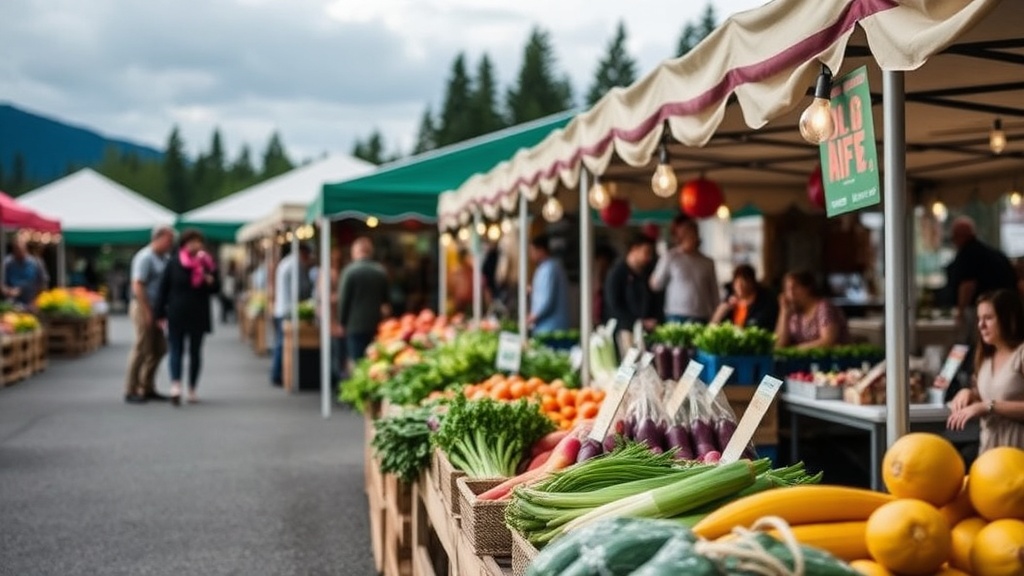
British Columbia Farmers Markets: Your Guide to Local Produce and Community Connections

What This Guide Covers (and Why You Should Read It)
This guide maps out British Columbia's farmers market scene—from seasonal schedules and vendor highlights to practical tips on making the most of your weekly shop. Whether you're hunting for heirloom tomatoes in Vancouver or fresh halibut in Victoria, understanding where and when to shop locally saves money, connects you with growers, and keeps food dollars circulating within our community. British Columbia's markets aren't just retail spots—they're where neighbors catch up, recipes get swapped, and you learn exactly how your food was raised.
Which British Columbia Farmers Markets Run Year-Round?
Three major markets operate through British Columbia's wet winters: the Vancouver Farmers Market (Winter Market at Nat Bailey Stadium), the Victoria Public Market at the Hudson, and the Kelowna Farmers & Crafters Market indoor location. Each shifts indoors or under cover when the rains hit, keeping local produce accessible even in January.
The Vancouver Winter Farmers Market runs Saturdays from November through April at Nat Bailey Stadium's parking lot—covered, but bring a raincoat anyway. You'll find root vegetables from Aldor Acres Farm, greenhouse greens from Cropthorne Farm in Delta, and fresh seafood from The Fish Counter vendors. It's smaller than the summer edition (about 40 vendors versus 100+), but the quality stays consistent.
Victoria's indoor option operates Wednesday through Sunday at the Hudson building on Douglas Street. The space stays warm, the aisles are wide enough for strollers, and the building's heritage character—exposed brick, high ceilings—makes grocery shopping feel less like a chore. Look for BC Farmers' Market vendor listings to confirm who's scheduled each week.
Kelowna's winter market moves into the Parkinson Recreation Centre on Saturdays. The Okanagan growing season stretches longer than the coast's, so you'll see local apples and pears well into February—varieties like Ambrosia and Bartlett that store beautifully in cold rooms.
What Can You Actually Buy at British Columbia Markets?
More than carrots and kale—though British Columbia grows excellent versions of both. Markets here split roughly into five categories: produce, protein, prepared foods, artisan goods, and nursery items. The mix shifts by season and location.
Coastal markets (Vancouver, North Shore, Sunshine Coast) lean heavily into seafood. You'll spot spot prawns in May, sockeye salmon through summer, and Dungeness crab in winter. Pacific Seafood vendors often bring whole fish for filleting while you wait—ask for the collar if you're into roasting.
Interior markets (Kelowna, Penticton, Kamloops) double down on tree fruit, wine, and livestock. Grass-fed beef from ranches in the Nicola Valley shows up frozen and vacuum-sealed. Fresh chicken, raised within 100 kilometers, appears on select Saturdays—call ahead if you're making a special trip.
Island markets (Victoria, Duncan, Nanaimo) specialize in artisan cheese, shellfish, and early-season crops. The maritime climate means salad greens in March and strawberries by late May. Salt Spring Island cheese—particularly the Chèvre varieties—travels well and appears at most Island markets plus several Vancouver locations.
| Product Category | Peak Season | Typical Price vs. Supermarket |
|---|---|---|
| Heirloom tomatoes | August–September | 10–20% higher |
| Grass-fed ground beef | Year-round (frozen) | 30–40% higher |
| Fresh eggs | Year-round | Similar to organic store eggs |
| Honey (local) | Year-round | 15–25% higher |
| Apples (storage varieties) | October–March | Similar or lower |
| Fresh herbs (bunches) | May–October | 40–50% lower |
Here's the thing about pricing—markets aren't always cheaper. You're paying for transparency, freshness, and shorter supply chains. That said, end-of-day discounts happen. Many produce vendors slash prices in the final hour, especially on perishable greens.
How Do You handle the British Columbia Market Season?
Start with the BC Association of Farmers Markets directory—it lists every member market with hours, locations, and vendor counts. Most British Columbia markets follow a similar rhythm: indoor winter markets wrap up in March or April, outdoor summer markets launch in May, and the busiest months run June through September.
Spring (March–May): Greenhouse crops dominate—tomatoes on the vine, cucumbers, early lettuce. Rhubarb appears in April. Asparagus hits in May, usually from Delta or the Fraser Valley. This is also when bedding plants and seedlings arrive for home gardeners.
Summer (June–August): Peak abundance. Berries (strawberries first, then raspberries, blueberries, blackberries) flood the tables. Stone fruit arrives in July—cherries from the Okanagan, apricots, peaches by August. Corn starts late July. This is when markets are most crowded and most fun.
Fall (September–November): Squash, pumpkins, apples, pears. Root vegetables—carrots, beets, parsnips, potatoes—pile high. Many vendors offer bulk pricing for canning and preserving. Last outdoor markets usually run until Thanksgiving weekend.
Winter (December–February): Storage crops and imports (citrus from the southern U.S., avocados). Seafood remains strong. Holiday markets pop up in December with crafts, preserves, and gift items.
What Should First-Time Market Shoppers Know?
Bring cash—though most vendors now take cards, cash speeds transactions and helps with bargaining. Bring your own bags; British Columbia's plastic bag ban means vendors charge for paper ones. Bring a cooler if you're buying meat or dairy, especially in summer heat.
Arrive early for selection, late for deals. The first hour offers the widest variety and the freshest pickings. The last hour offers discounts and less crowded aisles—your call.
Talk to vendors. Ask "When was this picked?" or "How do you cook this?" British Columbia growers love explaining their methods. Many farms—like Campbell's Gold Honey in Abbotsford or North Arm Farm in Pemberton—offer farm tours if you want to see operations firsthand.
The catch? Markets have rules. Pets (other than service animals) usually can't enter food areas. Sampling depends on health permits—some vendors offer tastes, others don't. And haggling isn't customary; prices are generally firm, though bulk discounts exist.
Insider Tips for British Columbia Regulars
- Sign up for vendor newsletters. Many farms email weekly availability lists—useful for planning trips or pre-ordering large quantities.
- Follow markets on Instagram. British Columbia's major markets post vendor lineups and weather cancellations in real time.
- Buy a CSA share. Community Supported Agriculture boxes—offered by farms like Le Soleil Farm on Vancouver Island or Red Acre Farm in the Shuswap—guarantee weekly produce and often include market pickup.
- Learn the lingo. "No spray" means organic practices without certification. "Heritage breed" refers to livestock varieties raised for flavor rather than industrial efficiency.
Where Are the Hidden Gems in Smaller British Columbia Communities?
Beyond the big city markets, British Columbia's smaller towns run excellent operations—often with shorter lines and friendlier prices.
Duncan Farmers Market (Saturdays, spring through fall) occupies the downtown core with 100+ vendors. The Cowichan Valley's mild climate produces early tomatoes and late squash. You'll find True Grain Bread (organic sourdough) and Ubiquitous Foods (small-batch preserves) here regularly.
Nelson Farmers Market runs Wednesday afternoons in Cottonwood Park—a relaxed scene with live music and plenty of Kootenay-grown produce. The altitude means shorter seasons, but the intensity of mountain sunlight produces incredibly sweet carrots and beets.
Fort Langley Village Farmers Market (Saturdays, spring through Thanksgiving) combines historic village charm with Fraser Valley bounty. The Blackwood Lane Vineyards booth pours samples when regulations allow, and Leq'a:mel First Nation fishers often bring fresh sturgeon.
Worth noting: Some of British Columbia's best markets aren't officially "farmers markets" at all. The Granville Island Public Market operates year-round with a mix of local producers and importers—it's touristy, yes, but Terra Breads and Oyama Sausage Co. make it worth braving the crowds.
Making British Columbia Markets Part of Your Routine
The best market shoppers treat these visits as weekly rituals, not special occasions. Pick one market, learn its rhythm, and build relationships with three or four core vendors. After a month, you'll know who has the best garlic, who runs out of eggs by 10 a.m., and which baker saves the crusty loaves for regulars.
Our community depends on these connections. When you buy direct from a British Columbia farmer, you're keeping farmland in production, supporting local families, and eating food that hasn't spent a week in refrigerated transport. The markets are where that exchange happens—rain or shine, season after season.