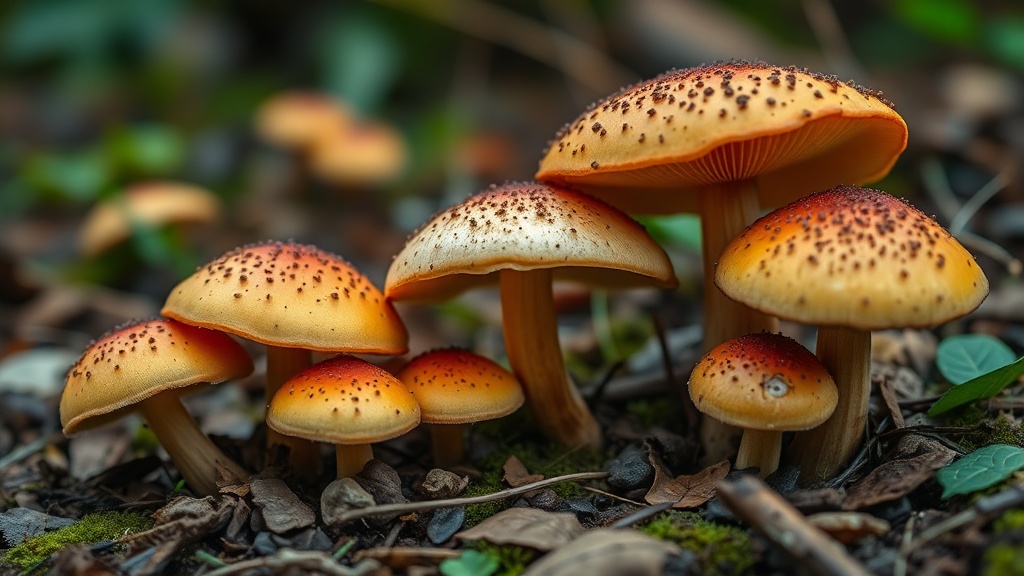
Finding the Best Seasonal Wild Mushrooms in the Lower Mainland

If you find yourself wandering through a damp forest in North Vancouver or near the Coquitlam watershed in late September, you aren't just looking at trees—you're looking at a potential gourmet harvest. This post breaks down exactly which wild mushrooms appear in the Lower Mainland during specific seasons, how to identify the heavy hitters like Chanterelles and Porcini, and the legalities of foraging in British Columbia. Knowing what to look for can mean the difference between a world-class meal and a dangerous mistake.
The Lower Mainland's climate is a goldmine for fungi. We have the perfect mix of heavy coastal rainfall and diverse forest types, from the old-growth cedars of the North Shore to the deciduous stands in the Fraser Valley. But you can't just go out any time and expect to find anything. Mushroom seasons are strictly dictated by the rain and the temperature.
What are the best times to forage mushrooms in BC?
The best time to forage for mushrooms in the Lower Mainland is typically between late August and early November, following heavy rainfall. While some fungi appear in the spring, the real bounty happens when the autumn rains hit the ground and the temperatures stay mild.
Spring brings the "Morel season," usually triggered by the first warm spell after the winter snow melts. In the Lower Mainland, this often happens in late April or May. If you're tracking these, keep an eye on the transition from the wet winter to the warmer spring. It's a narrow window, though.
Autumn is the heavy hitter. This is when you'll see the most diversity. The Pacific Northwest is famous for its "wet autumn," and mushrooms love that. You'll see a surge in Chanterelles and various Boletes as the forest floor stays damp through October. If you miss the fall window, you're essentially waiting a full year for the next big harvest.
One thing to remember: don't rely solely on a calendar. A dry autumn means a poor mushroom year, regardless of what the date says. Always check the recent weather patterns for the Environment Canada forecasts before you head out.
Which mushrooms are common in the Lower Mainland?
The most common edible mushrooms found in our region include Chanterelles, Porcini (King Boletes), and morels. Each of these has a specific habitat and a distinct look that separates them from their toxic lookalikes.
The Chanterelle (Cantharellus formosus): This is the gold standard for many local foragers. They are bright yellow or orange and have ridges rather than gills. Those ridges are actually "false gills" that run down the stem. They're delicious with a slightly peppery taste.
The Porcini (Boletus edulis): You'll find these in the coniferous forests. Instead of gills, they have a spongy pore layer under the cap. They are meaty, nutty, and incredibly satisfying when sautéed in butter.
Morels (Morchella): These are much harder to find and much more seasonal. They love the areas where forest fires have recently occurred or where the soil has been disturbed. If you see a patch of burnt ground in the spring, get your camera (and basket) ready.
It's worth noting that for every edible mushroom, there's a lookalike that can make you very sick. Never, ever consume a mushroom unless you are 100% certain of its identity. If you're a beginner, I highly recommend grabbing a copy of a local field guide or checking the resources at the Botanical Society to cross-reference your finds.
| Mushroom Type | Best Season | Key Feature | Typical Habitat |
|---|---|---|---|
| Chanterelle | Late Summer/Fall | False ridges, not gills | Mossy coniferous forests |
| Porcini (King Bolete) | Fall | Spongy pores under cap | Under pine or spruce |
| Morel | Spring | Honeycomb-like cap | Disturbed soil/burned areas |
| Lion's Mane | Late Summer/Fall | White, icicle-like spines | On decaying hardwood |
Where can I legally forage in British Columbia?
You can forage for mushrooms on most Crown land in British Columbia, but you cannot harvest them in Provincial Parks or within certain protected areas. The rules vary depending on whether you are on public land, private property, or within a park.
Most of the hiking trails in North Vancouver or the Burnaby Mountain area are within protected zones where harvesting is strictly prohibited. If you're caught harvesting in a park, you could face a hefty fine. Always check the specific land designation before you start digging. A good rule of thumb is to look for signs at the trailhead. If the sign says "No harvesting," listen to it.
For those looking for serious picking, the North Shore mountains are beautiful but highly regulated. You might have better luck looking at the outskirts of the Fraser Valley or on designated Crown land outside of municipal boundaries. Just ensure you aren't trespassing on private residential properties—that's a quick way to end a fun afternoon.
The local community is generally very protective of these spots. If you see someone else foraging, don't be a jerk about it. Most of us are just trying to enjoy the forest and get a good meal out of it. Being respectful of the land and the other people using it is the best way to keep the community healthy.
Quick Tips for Successful Foraging
- Bring a mesh bag: This allows spores to drop as you walk, helping the mushrooms reproduce.
- Use a knife: Don't just rip them out of the ground. Slice the stem at the base to keep the mycelium intact.
- Carry a brush: A small paintbrush or old toothbrush is great for cleaning dirt off your finds.
- Check your ID twice: If you're even slightly unsure, leave it in the woods.
If you're serious about this, I've used the Mycology basics from Wikipedia to build my baseline knowledge, but nothing beats seeing a mushroom in person. The colors, the textures, and the smell are things a book can't fully capture. The smell of a fresh Porcini is something you'll never forget once you experience it.
The terrain can be tricky. The Lower Mainland is notoriously steep and often muddy. If you're heading into the woods to look for mushrooms, don't wear your clean white sneakers. Wear something with actual grip, like a pair of Salomon hiking boots or even Blundstones if the weather is dry enough. You'll be navigating slippery roots and damp leaves, and the last thing you want is a twisted ankle.
One thing I've learned over the years is that the best mushrooms are often the ones you didn't expect to find. You might go out looking for Chanterelles and end up finding a massive Lion's Mane growing on a fallen log. It's a bit of a scavenger hunt, really. The more you learn about the specific trees in the area, the better your chances become. For example, if you see a lot of Hemlock, you know exactly what kind of mushrooms to look for underneath.
Don't forget to bring a camera. Even if you don't end up eating your find, the documentation is helpful for your own learning process. Taking a photo of the cap, the gills, and the stem from multiple angles is the best way to ensure you can identify it again later. It's also a great way to show off your haul to friends at dinner.
The forest is a living, breathing pantry, but it requires respect and knowledge. Whether you're a seasoned pro or a total novice, the Lower Mainland offers a wealth of opportunities if you know where and when to look.
Steps
- 1
Research Local Species
- 2
Carry a Field Guide
- 3
Verify with an Expert
- 4
Harvest Responsibly